
The following is an excerpt from a letter written by the Rebbe:
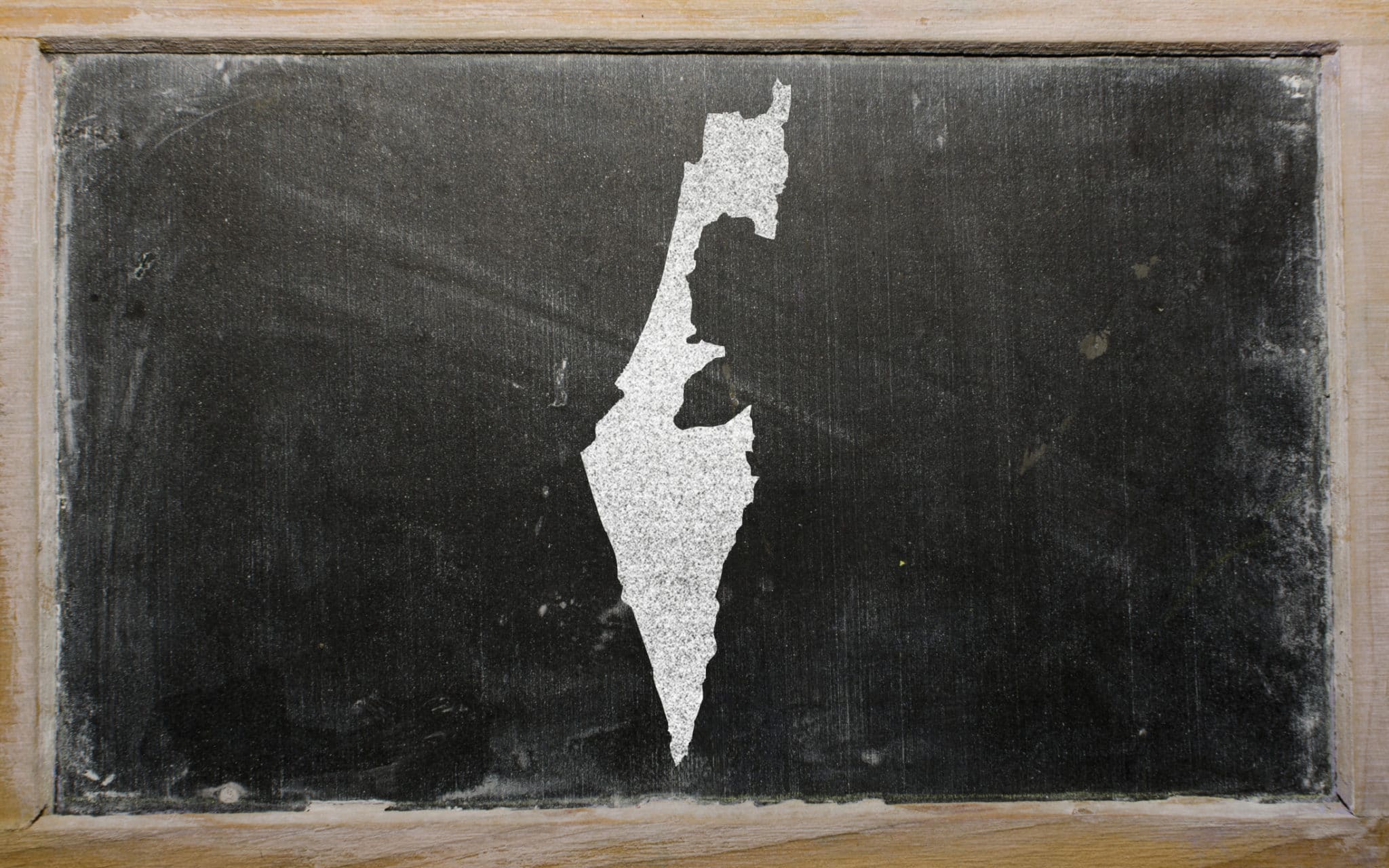
… You write concerning those who are thinking to “separate between religion and state”[1]…
The Jewish faith unites two extremes (which only seem to be in contradiction to each other). On the one hand, it includes the most abstract concepts, such as the unity of G-d, the unity of creation, [the concept that the world was created] ex nihilo, etc. On the other hand it instructs the daily life of man down to its most minute details, including the most simple and mundane things. We see this also in the Ten Commandments, which begin with the commandment “I am the L-rd your G-d…,” whose inner meaning is the negation of any true reality save the reality of G-d, and concludes with commandments such as “Do not kill,” which pertain to the lowliest instincts in man. This teaches us that there cannot be any separation between religious and material matters in Jewish life. On the contrary: as is the case on the micro-level of personal life, unity and harmony on the macro-level of social life can be achieved only via the synthesis of the two domains—by integrating the spiritual into the material and thereby refining the material.
Hence the all-time motto of our sages, of blessed memory: “The essential thing is not study, but deed.”[2] Though they occupied themselves with the study of the secrets of the Torah and the most sublime concepts, they also elaborated, in exacting detail, on practical matters, including matters—such as eating and drinking—that seem petty and insignificant. But this[3] is the touchstone of any individual or ideology…
From a letter by the Rebbe dated Sivan 2, 5719 (June 8, 1959)[4]
——————-
[1]. In Israel.
[2]. Ethics of the Fathers 1:17.
[3]. The synthesis of the sublime and the everyday.
[4]. Igrot Kodesh, vol. XVIII, pp. 396-397.